
Knox Crime News Sources
Start with the official custody list. The KCSO jail roster shows front booking photos along with each name, the initial arrest date, hold reasons, and charges. It covers people currently held in county custody, including some detained for other jurisdictions. It is not a news feed. It is not a full arrest list either. Someone can be booked before the PDF refreshes, or leave the roster through release or transfer while the court case continues on without them.
There is no verified KCSO feed of booking photos for the past 24 hours, 48 hours, the week, or any rolling window. The printed roster date and the initial-arrest field help with timing, but they cannot turn a static PDF into a live update. For incident-report context, the sheriff’s own material is the place to begin. For who is in custody now, use the roster and KCSO records. For how a case ends, use the court docket.
Knox Crime Report Outlets
Several channels cover Knox County reports. Each plays a distinct role. Material straight from KCSO, carried by local outlets, sits closest to the agency that filed it. City tags add neighborhood detail for Mount Vernon and Fredericktown. The Mount Vernon News archive and its blotter offer periodic county coverage, Gambier included. Keep one thing in mind, though. None of these outlets promises a complete booking record or current custody status.
| Outlet | Coverage | Photos? | Where |
|---|---|---|---|
| KCSO jail roster | Current county custody and hold information | Front booking photos are visibly shown | Official jail roster PDF |
| Knox Pages KCSO archive | Daily or grouped sheriff CAD and incident reports | Usually agency logos or story images, not a roster photo series | KCSO report archive |
| Knox Pages city tags | Periodic Mount Vernon reports and weekly Fredericktown reports | Not a guaranteed booking-photo source | Mount Vernon and Fredericktown |
| Mount Vernon News | Periodic sheriff reports and county police blotter coverage | Inconsistent, not a complete photo feed | KCSO archive |
| Busted Newspaper | Unofficial county booking and charge index with historical navigation | Third-party images where its own listings include them | Knox County section |
| Mugshots.com | Unofficial historical index with county and city navigation | Site-specific record images | Knox County section |
| Arrests.org | Unofficial daily and archive index; recent results can be empty | May display images from public sources | Knox County section |
| Mugshots Zone | Unofficial county listing with month archives | Local listing images | Knox County section |
The last four table rows are secondary sources. Nothing more. Their dates, county labels, and images live outside KCSO. So a result can be stale, incomplete, or absent altogether. A blank recent-results screen does not mean the county had no arrests. Go to the official roster, the agency report, or the court record first. Treat secondary sites as date-stamped leads at most.
Knox Sheriff Report Windows
The Knox Pages KCSO archive is the strongest multi-day local option. Sheriff reports there appear daily or in groups, depending on what the agency releases. A typical report lists the call-for-service date and time, the street, a description, the responding agencies, and a case number with its code. That format comes straight from CAD or incident-report software. One of these reports may describe a warrant arrest and a transport to the Knox County Jail, but it will not list every person booked, and it usually lacks the consistent front-photo column the roster carries.
Mount Vernon Police coverage shows up in periodic local reports, while Fredericktown tends to run on a weekly cycle. Both help place an event in time. Neither works as a daily detention report. County material can also mention Gambier locations. A story about a city event tells you nothing about who holds the person or whether a booking stands today. For city-level digging, the Mount Vernon Busted Mugshots record path keeps local reporting separate from county custody.
Knox Booking Photos in News
Not every photo in a crime story is a booking photograph. It might come from an agency release. It might be an older agency record, an investigative piece, or a generic article image. Only one source visibly pairs front booking photos with people currently listed in Knox County custody. That source is the official roster. News stories usually focus on the incident, the date, the location, and the agency rather than building any complete photo log. For a sense of how periodic coverage looks, the Mount Vernon News county police blotter covers incidents across communities, Gambier among them. It is a good reminder to keep the report date, the location, and the agency attached to any news item you save.
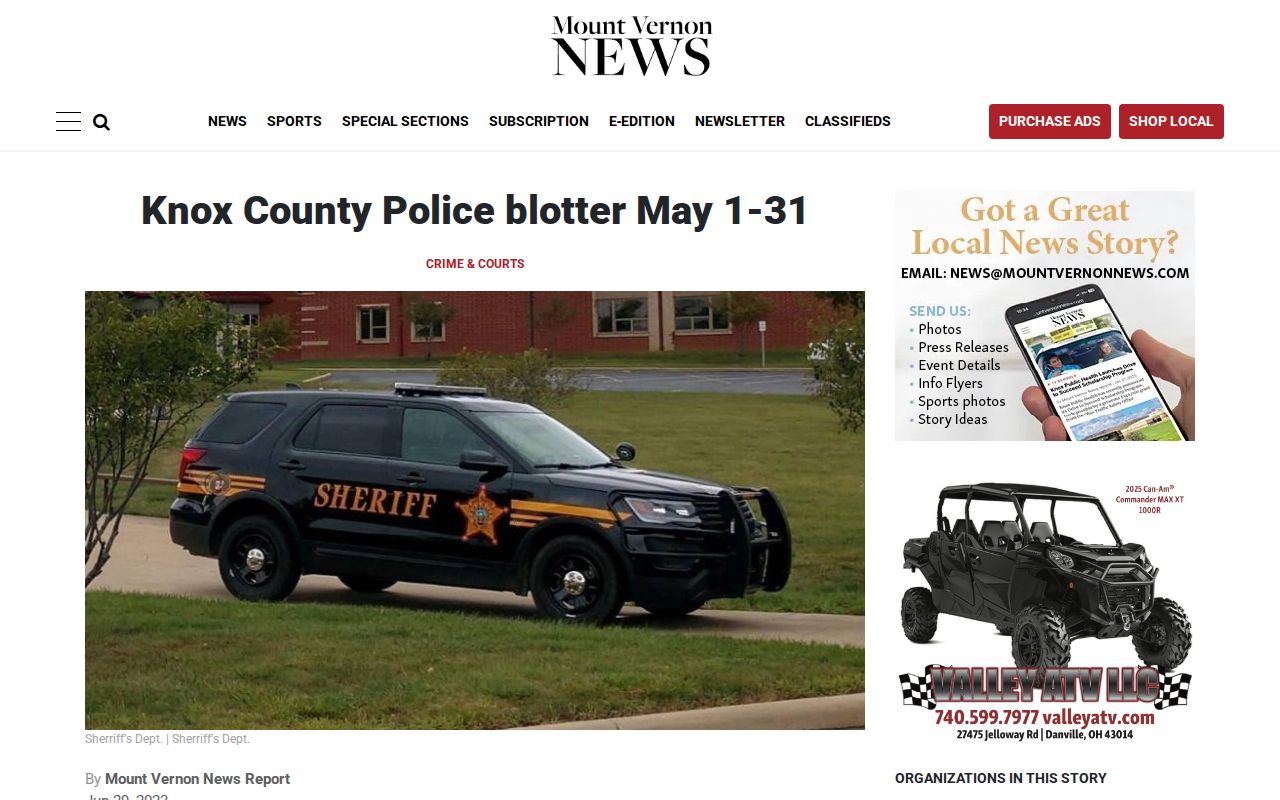
Charges listed beside a news photo can shift over the life of a case. The court docket is where any later legal outcome shows up.
Knox Story to Record Path
A story works well as a lead. That is especially true when it names the incident date and the responding agency. But it cannot answer everything that follows. Pull the initial report apart from the custody record and the case outcome. Then lean on whichever office owns each piece. When a person no longer appears on the current PDF, the county-wide booking and roster lookup offers the broader custody route.
- Save the outlet name, article date, reported location, and agency before looking for another record.
- Check the official jail roster for a current Knox County custody entry, remembering that a roster absence can reflect release or transfer.
- For the later court path, search the Knox Clerk eServices docket for Common Pleas matters or the Municipal Court Quick Links for municipal matters.
- Read the disposition, the court’s recorded outcome, rather than treating the first article or the original charge as the end of the matter.
Record check: News coverage, an arrest report, a roster entry, and an initial charge each tell only part of the story, so follow the court docket for the disposition.
Knox Secondary News Indexes
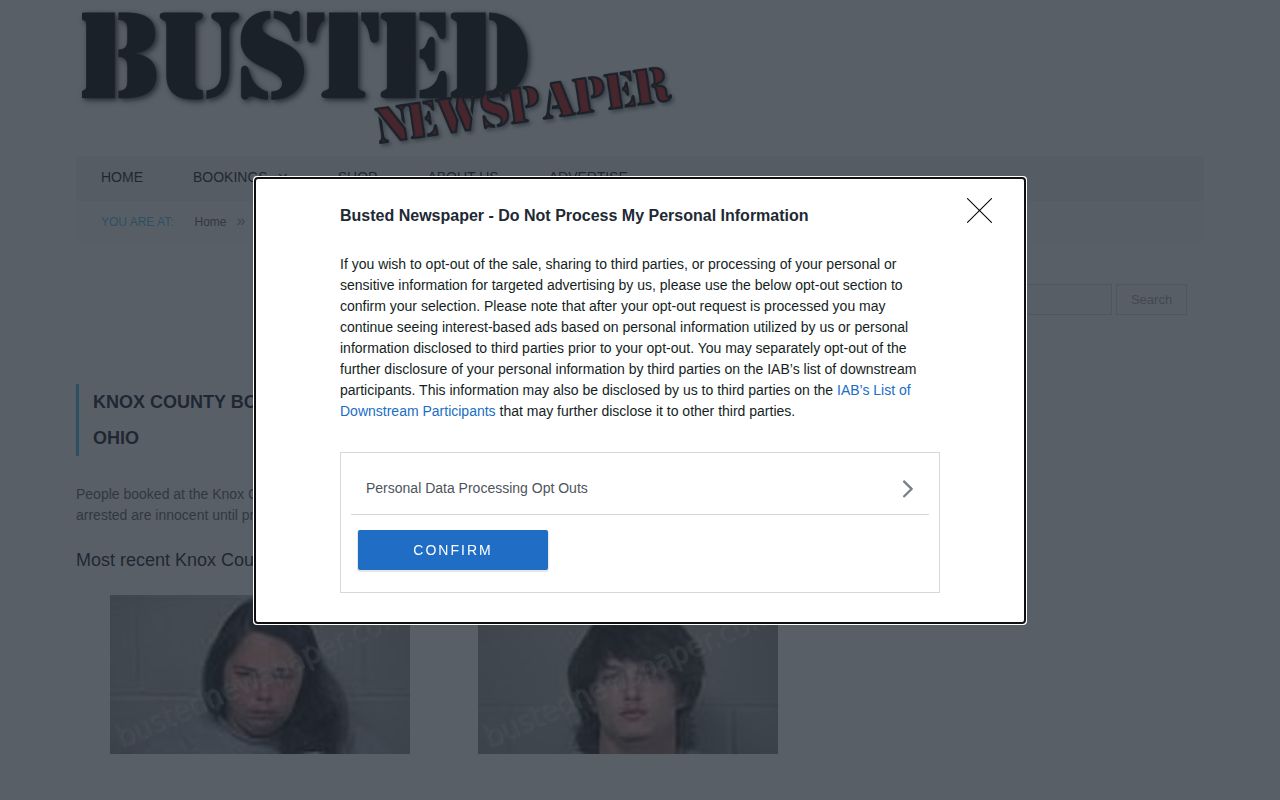
Beyond the sheriff's office and local reporting, several third-party sites track Knox County bookings. Busted Newspaper Knox County section is one of them. It indexes booking and charge information with historical navigation. Mugshots.com organizes listings alphabetically, by date, and by city. Arrests.org sometimes returns empty results for recent dates. Mugshots Zone looks like it refreshes often, though no update schedule is promised. None of these are KCSO products, and their formats vary widely. A county index like Busted Newspaper can help you locate an older date or a county label. It cannot confirm live custody, a current charge, or a court result. Treat it as a pointer, not proof.
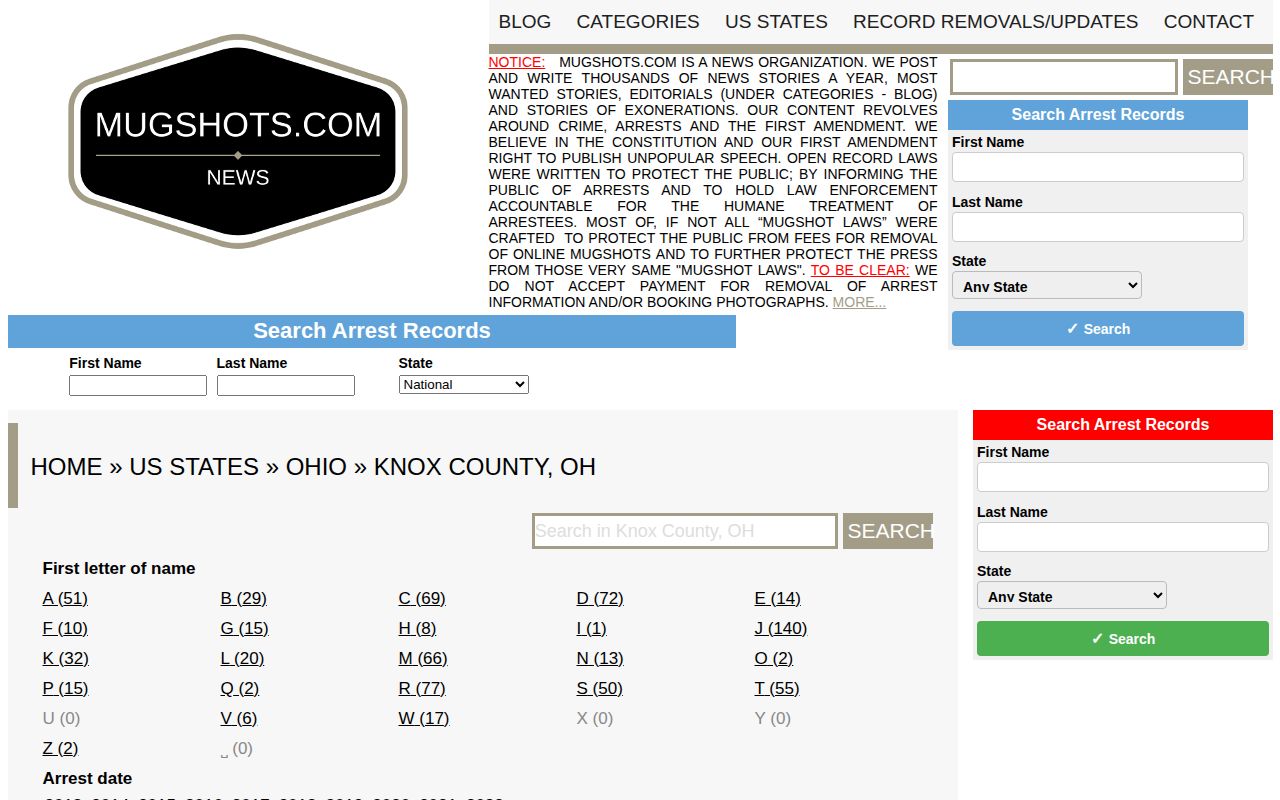
Mugshots.com Knox County section offers another way to browse older county and city listings. It is a third-party site. Treat it that way. An entry only means much once you confirm its date against the official record.
Some later reports point to state prison or supervision instead of Knox County Jail. Those cases follow a different path. Use the Ohio Department of Rehabilitation and Correction Offender Search for state custody. That tool answers a different question than a county booking search does.
The Knox County Mugshots Zone page displays a local index with month-by-month archives. It looks frequently updated. Even so, the dates are maintained independently, and gaps appear, so real-time booking coverage is never a safe assumption. Use it for browsing older listings, not for live custody answers.
Secondary pages have one real strength. They often preserve older material after an official PDF changes. That does not make them authoritative. When sources conflict, go back to the agency that created the record, then to the court handling the case. Those two offices settle the question.
Knox Crime Record Outcomes
Jail custody, an agency report, and a court outcome are three different stages. The roster shows who sat in county custody on the day the PDF was printed. A news report names the responding agency and adds incident detail. A docket comes later. It can show arraignment, bond, a plea, dismissal, sentencing, or another result. Someone leaving the roster tells you none of that on its own.
The gap matters most when an index carries a charge label for months or years. Confirm the court case number and outcome before repeating any claim about a person's legal status.
Local reports and the roster cannot be merged into one complete booking feed either. A report may describe a call with no arrest. A jail entry may appear with no local story. Court events can lag far behind both. Matching the agency, date, case number, and court keeps a news lead separate from an official outcome.
Knox News Record Limits
Report dates and booking dates rarely line up. A sheriff report may be grouped with other calls from the same shift. A blotter may cover a whole week. A secondary index may display an arrest date its own system generated, which says little about when a person actually entered or left county custody. For that narrow question, the current roster and an agency record serve you better.
Keep each source label attached to the fact it supports. A news story proves an outlet reported an incident, no more. A KCSO PDF proves listed custody on its print date. A docket proves a filed event or disposition. Respecting those limits keeps an old report from becoming a claim about someone's current legal status.